The ride is only part of owning an e-bike. There is also the doorway, the place you charge, the stop outside the shop and the person you call when something needs attention. Start there, and a specification sheet becomes much easier to read.
Start with where you charge.
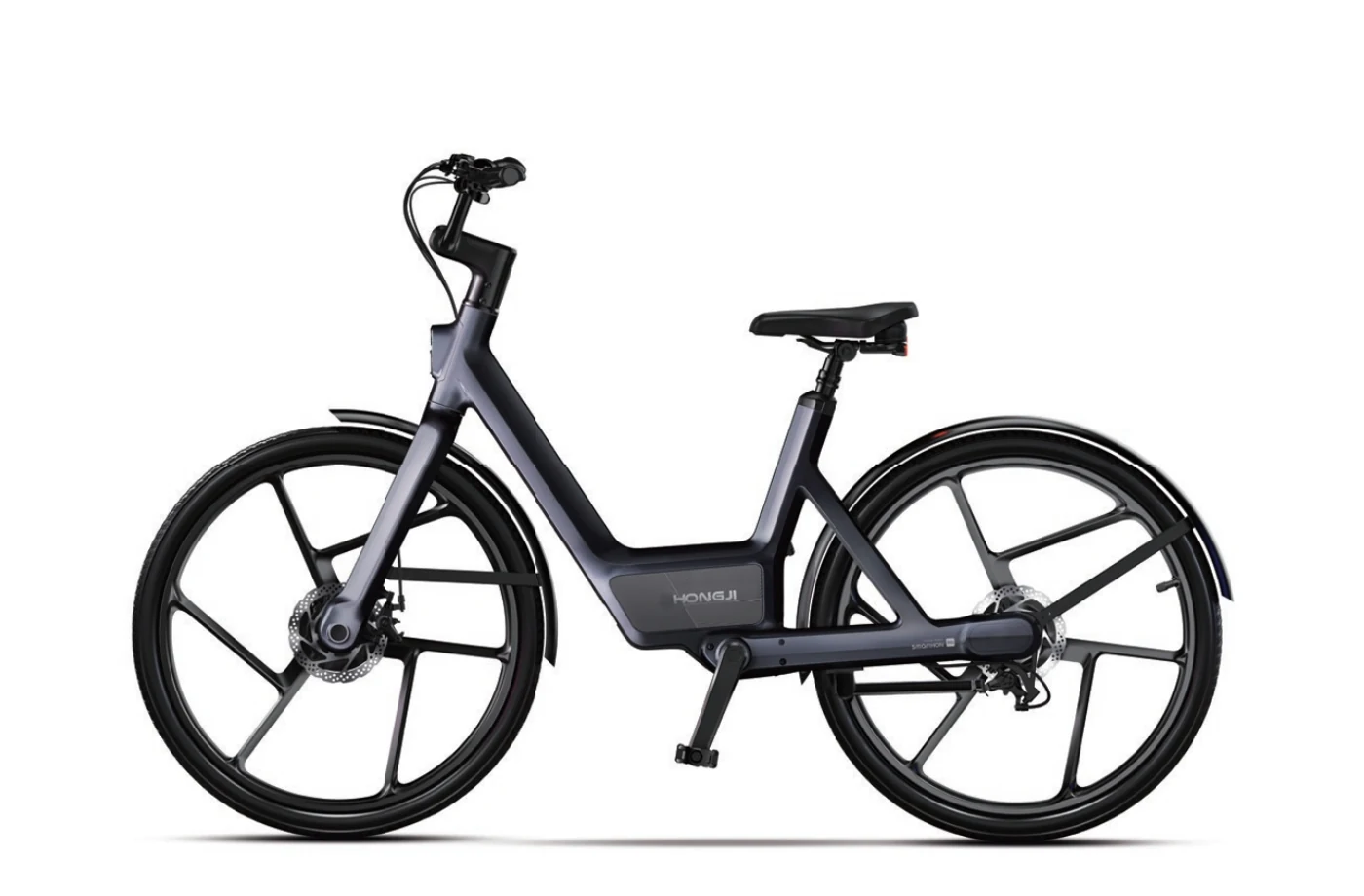
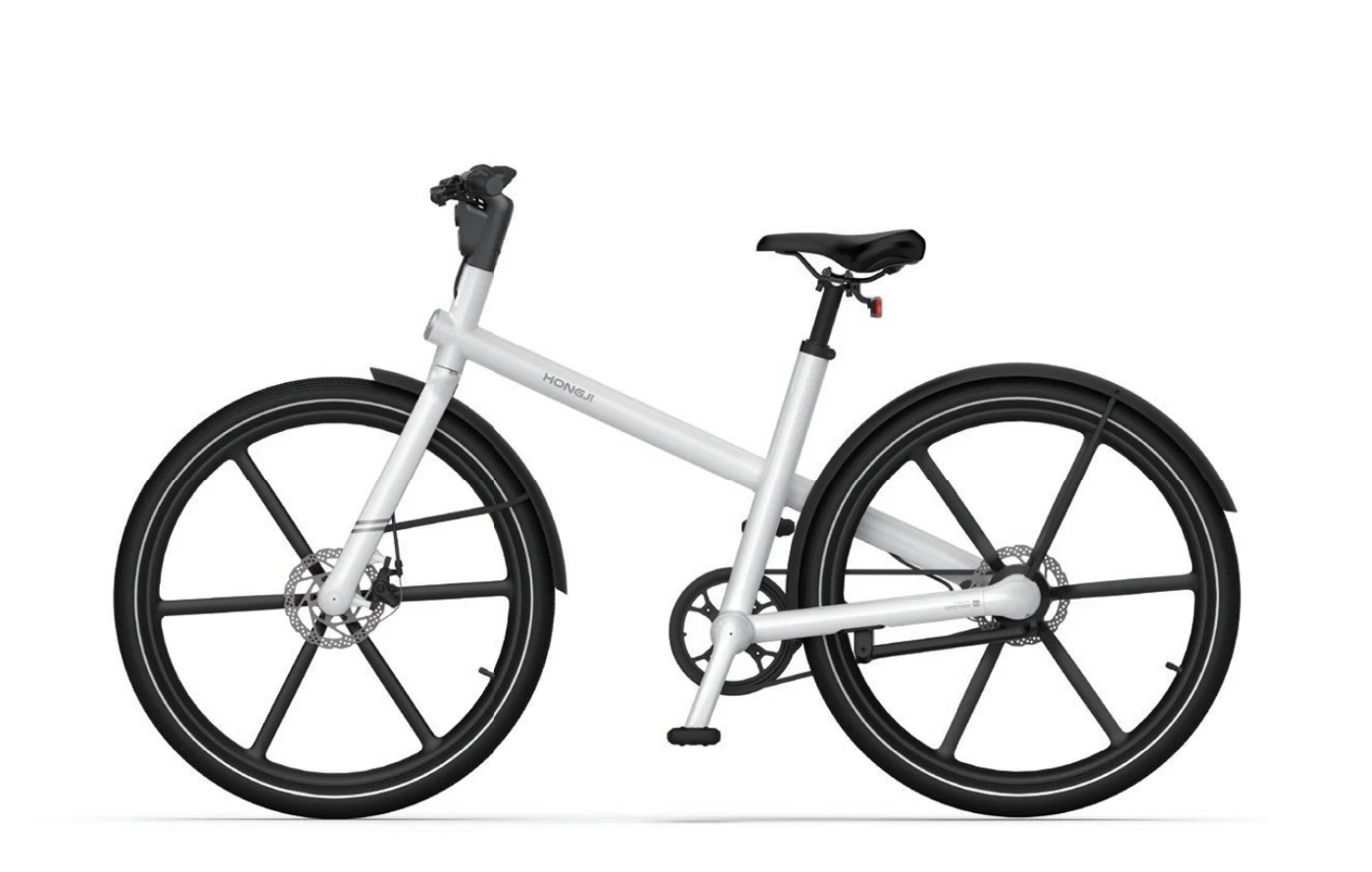
If the bike stays downstairs while your power socket is upstairs, a removable battery deserves a place on your shortlist. Honbon’s catalogue lists the HONBIKE HC02 with a removable 540 Wh battery and a step-through frame. The HS01 takes a different approach, with an integrated 432 Wh battery. Neither number, on its own, tells you how far you will ride: route, assistance level, load and conditions also matter.
Then look at the drivetrain.
The HC02 uses shaft drive; the HS01 uses Gates Carbon Belt Drive. These are two different designs to explore, not a promise that either bike needs no maintenance. Ask how the system is serviced, which parts are available and who can support it where you live.
Imagine the moments when you are not riding.
Storage, lifting and getting on and off the bike deserve as much attention as the journey itself. The catalogue lists net weights of 22 kg for the HC02 and 20.2 kg for the HS01. A test ride and a check of the actual bike will tell you more about personal fit than those figures alone.
For retailers, the same questions become a better conversation with customers. Before selecting a range, clarify the target market, model configuration, service arrangements and sample process with the supplier.
Explore the two models on FAR & FORM. Tell our AI where you ride, how you charge and what you want to understand, and use the conversation to build a more useful shortlist.
This is a catalogue-based introduction, not a road test.
E-bike Products Catalogue 2026.8 · PDF page 6, 7
Product information is drawn from the maker-supplied catalogue. Confirm the exact model, market version, availability and terms before purchase or partnership.